Why Regular Chimney Sweeping Matters
Lower Fire Risk
Removing creosote buildup eliminates one of the most common causes of chimney fires, protecting both your home and the structure of the chimney itself. A chimney fire doesn’t need daily use to become a real risk. All it takes is one buildup of creosote and one fire, which is exactly the pattern we see most often in Fort Lauderdale. A chimney fire doesn’t announce itself in advance, and a home that only lights three or four fires a season isn’t automatically safer than one that burns wood every week, since the fuel for that fire, the creosote, builds up either way.
Better Indoor Air Quality
A blocked or damaged flue can push smoke and soot back into the living space instead of venting it outside. A clear, inspected chimney keeps that air where it belongs. Humidity can also cause a damper to stick or warp over a Fort Lauderdale summer, so part of every inspection is confirming it still opens, closes, and seals the way it should. We’ve opened up Fort Lauderdale flues in July that hadn’t seen a fire since the previous December, and the damper was rusted enough to need real force to move, which is exactly the kind of thing an annual visit catches before it becomes a bigger repair.
Fewer Pests and Less Water Damage
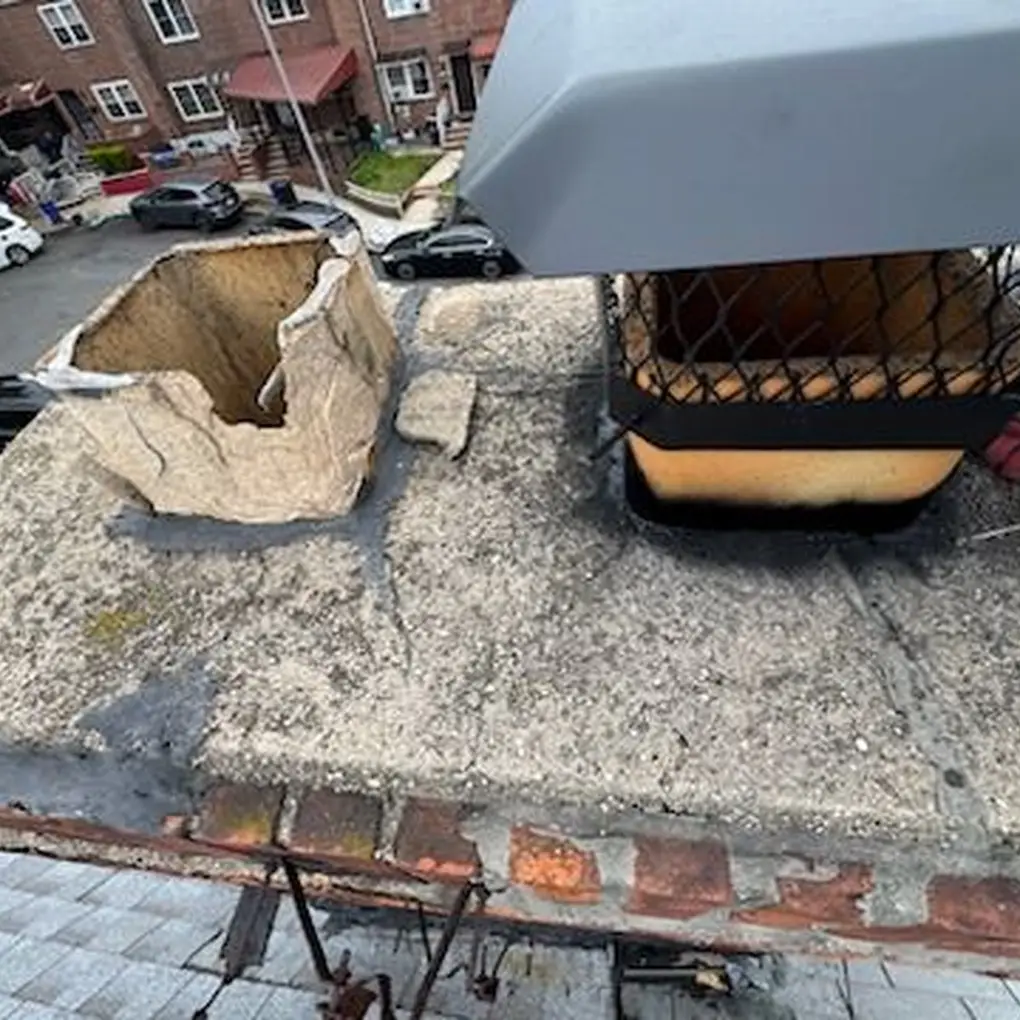
A damaged or missing chimney cap invites birds, rodents, and rainwater inside. Checking the cap during every sweep helps catch these issues early. We find active bird nests in Fort Lauderdale chimney caps more often than in almost any other market we work in, which makes sense given how long our flues sit unused between fires. Hurricane season adds its own wrinkle: wind-blown debris and palm fronds can dislodge a cap or crack flashing during a storm, so we always recommend a post-storm check if your home took a direct hit that season.